Get ready for a blast from the past as Tekken developers drop hints about bringing back your favorite characters, setting the stage for an exciting comeback!
From fan reactions to the significance of nostalgia, this topic is packed with anticipation and speculation.
Tekken Developers Dropping Hints
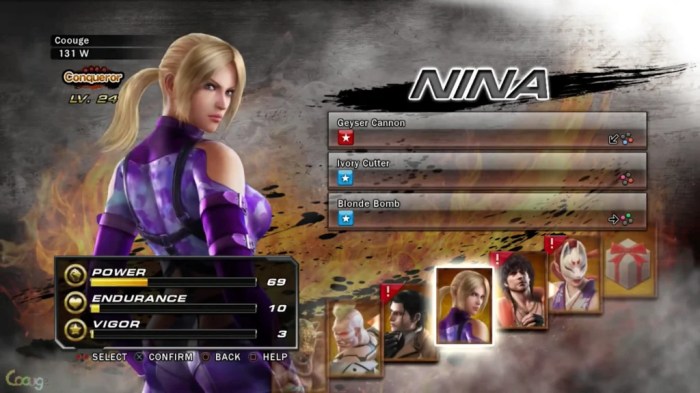
When it comes to Tekken, developers have a knack for dropping subtle hints that beloved characters from the past may be making a return in the upcoming games. These hints often come in the form of teaser trailers, social media posts, or cryptic messages that get fans buzzing with excitement.
Significance of Bringing Back Nostalgic Characters
Bringing back nostalgic characters to the game holds significant importance for both developers and fans alike. These characters hold a special place in the hearts of long-time players, evoking feelings of nostalgia and fond memories from previous installments of the franchise. By reintroducing these characters, developers not only cater to the desires of loyal fans but also add depth and richness to the game’s storyline and overall gaming experience.
Fan Reactions to Teasers or Hints
- Many fans eagerly dissect teaser trailers and social media posts, trying to decipher hidden clues about the return of their favorite characters. This sense of mystery and anticipation adds to the excitement leading up to the official announcement.
- Some fans express overwhelming joy and excitement upon seeing hints about the comeback of beloved characters, showcasing the strong emotional connection they have with these virtual fighters.
- There are also fans who engage in speculation and discussion within the community, sharing theories and predictions about how the returning characters will fit into the game’s narrative and gameplay mechanics.
Card Games in the Gaming Industry
Card games have been a popular form of entertainment for centuries, captivating players with their strategic gameplay and social interaction. In the digital age, card games have found a new audience online, reaching a wider player base and evolving to offer unique gaming experiences.
Types of Card Games
- Traditional Card Games: Games like Poker, Bridge, and Rummy that have been played for generations with physical decks of cards.
- Collectible Card Games (CCGs): Games like Magic: The Gathering and Yu-Gi-Oh! where players build decks from a pool of cards to compete against each other.
- Deck-Building Games: Games like Dominion and Ascension where players construct their decks during the game to achieve victory.
Evolution of Card Games in the Digital Era
With the rise of online gaming platforms and mobile apps, card games have transitioned into the digital space, offering players the convenience of playing anytime, anywhere. Digital card games often feature stunning visuals, immersive sound effects, and online multiplayer modes, enhancing the overall gaming experience. Additionally, digital card games introduce new mechanics and gameplay elements that are not feasible with physical cards, pushing the boundaries of traditional card game design.
Racing Games Evolution
Racing games have come a long way since their inception, evolving with technological advancements to provide a more realistic and immersive gaming experience.
Classic Racing Games
Classic racing games were characterized by simple graphics, limited tracks, and basic gameplay mechanics. Titles like “Pole Position” and “Out Run” laid the foundation for the genre.
Transition to 3D Racing
- The introduction of 3D graphics revolutionized the racing game industry, allowing for more detailed environments and realistic cars.
- Games like “Gran Turismo” and “Need for Speed” set the standard for visual fidelity and gameplay depth in 3D racing games.
Technological Advancements
- Advancements in hardware capabilities have enabled developers to create more immersive racing experiences with improved graphics, physics, and AI.
- Features like dynamic weather, realistic damage models, and online multiplayer have become standard in modern racing games.
Role of Realism and Simulation
Realism and simulation have become key aspects of contemporary racing games, appealing to both casual and hardcore racing fans.
Games like “Assetto Corsa” and “Project CARS” focus on providing a realistic driving experience, with accurate physics and vehicle dynamics.
Online Games Community
Online gaming has revolutionized the way people interact and engage with one another in the digital world. The vibrant online gaming community brings together players from all walks of life, creating a dynamic and diverse environment for gaming enthusiasts.
Social Aspects
One of the key benefits of playing online games with others is the social aspect it brings. Players have the opportunity to connect with people from around the globe, forming friendships and bonds that transcend geographical boundaries.
- Online games provide a platform for players to collaborate and work together towards common goals, fostering teamwork and camaraderie.
- Players can engage in friendly competition, challenging each other to improve their skills and strategies.
- Online gaming communities often organize events, tournaments, and forums where players can interact, share tips, and build a sense of belonging.
Benefits and Challenges
While online games offer numerous benefits in terms of social interaction and community building, there are also challenges that come with playing with others in a digital space.
- Benefits: Online games provide a platform for players to connect, collaborate, and compete with others, enhancing social skills and fostering a sense of belonging.
- Challenges: Issues such as toxicity, cyberbullying, and cheating can detract from the overall gaming experience and negatively impact the community dynamics.
Teamwork and Competition
Online games encourage teamwork and competition among players, creating an environment where individuals can work together towards common goals while also striving to outperform their peers.
- Teamwork: Players often form alliances, guilds, or clans to tackle challenging in-game tasks, promoting cooperation and coordination.
- Competition: Leaderboards, rankings, and competitive modes drive players to improve their skills and strive for excellence, adding an exciting element to the gaming experience.
Mobile Casual Games Trend
Casual games have become a significant trend in the mobile gaming industry, attracting a wide audience due to their accessibility and addictive nature. These games are designed to be easy to pick up and play, providing quick entertainment for users on the go.
Characteristics of Casual Games
- Casual games are simple and easy to learn, requiring no prior gaming experience.
- They often have short gameplay sessions, making them ideal for quick breaks or commutes.
- These games have intuitive controls that can be easily navigated on touchscreens.
- They offer a variety of gameplay mechanics, from puzzles to endless runners, catering to different preferences.
Addictive Nature and Appeal
- Casual games are designed to be addictive, with rewarding feedback loops and progression systems that keep players engaged.
- They appeal to a wide audience, including both casual and hardcore gamers, due to their approachable gameplay.
- These games often incorporate social elements like leaderboards and challenges, encouraging friendly competition among players.
- The simplicity and pick-up-and-play nature of casual games make them appealing to users of all ages and gaming backgrounds.
Influence on Mobile Gaming Market
- Casual games have significantly influenced the mobile gaming market, driving the growth of mobile gaming as a whole.
- They have paved the way for new monetization models like in-app purchases and ad-based revenue streams.
- These games have also inspired the development of new genres and gameplay mechanics tailored specifically for mobile platforms.
- The success of casual games has encouraged developers to focus on creating engaging experiences that can be enjoyed by a broad audience.
Console Systems Innovation
In the world of gaming, console systems have played a significant role in shaping the industry and providing gamers with unforgettable experiences. Let’s take a closer look at the evolution of gaming consoles and their impact on the gaming landscape.
Evolution of Gaming Consoles
Since the early days of gaming, consoles have come a long way in terms of technology and innovation. From the simple graphics of the Atari to the high-definition visuals of modern consoles like the PlayStation and Xbox, the evolution has been nothing short of remarkable.
- The introduction of CD-ROM technology revolutionized gaming with larger storage capacity and better audio quality.
- Online connectivity allowed players to compete with others globally, paving the way for multiplayer experiences.
- Motion-sensing technologies like Kinect and PlayStation Move brought a new level of interactivity to gaming.
Comparison of Different Console Systems
Each console system has its unique features and strengths that cater to different types of gamers. Let’s compare some of the top console systems available today:
| Console | Key Features |
|---|---|
| PlayStation | Exclusive game titles, robust online network, virtual reality support |
| Xbox | Backward compatibility, Xbox Game Pass subscription service, cloud gaming with xCloud |
| Nintendo Switch | Hybrid design for handheld and TV gaming, innovative Joy-Con controllers, iconic first-party games |
Future of Console Gaming
With the rise of cloud gaming and streaming services, the future of console gaming is shifting towards a more digital and accessible landscape. Here are some trends to watch out for:
- Cloud gaming platforms like Google Stadia and Xbox Cloud Gaming offer the flexibility to play games on various devices without the need for powerful hardware.
- Subscription services like Xbox Game Pass and PlayStation Now provide a vast library of games for a monthly fee, changing how players access and enjoy games.
- Integration of virtual reality and augmented reality technologies into console gaming, creating immersive and interactive experiences like never before.
Computer Games Development
Computer games development involves a complex process that requires collaboration between game developers, designers, and programmers. From the initial concept to the final launch, various tools and technologies are used to bring a game to life and deliver an immersive gaming experience to players.
Game Conceptualization and Planning
Before any development work begins, game developers brainstorm ideas and concepts for the game. This involves creating a detailed game design document outlining the storyline, characters, gameplay mechanics, and overall vision for the game. Once the concept is finalized, the team moves on to the planning phase, where they define the scope of the project, set milestones, and establish a development timeline.
Game Design and Storyboarding
- Game designers work on creating the game’s visual aesthetics, level designs, and user interface elements.
- Storyboarding helps map out the flow of the game, including cutscenes, dialogues, and player interactions.
- Prototyping is done to test and refine the gameplay mechanics and overall user experience.
Game Programming and Development
- Programmers use coding languages like C++, Java, or Python to bring the game to life.
- Game engines like Unity or Unreal Engine are used to build the game environment and implement game features.
- Bug testing and optimization are critical to ensure the game runs smoothly on various platforms.
Game Testing and Quality Assurance
- Quality assurance testers play the game to identify bugs, glitches, and other issues that need to be fixed.
- User feedback is collected and incorporated to enhance the gameplay experience.
- Testing is done across different devices and platforms to ensure compatibility and performance.
Game Launch and Post-Launch Support
- Marketing and promotion efforts are ramped up to create buzz and attract players to the game.
- Post-launch updates and patches are released to address any remaining issues and introduce new content.
- Community engagement plays a crucial role in maintaining player interest and fostering a loyal fan base.
Online Games Adventure Genre
Adventure genre in online games typically involves exploration, puzzle-solving, and interacting with characters in a virtual world. Players are often required to complete quests, unravel mysteries, and overcome obstacles to progress in the game.
Popular Online Adventure Games and Gameplay Mechanics
- World of Warcraft: Players embark on epic quests, engage in PvE and PvP battles, and explore vast, immersive environments.
- The Legend of Zelda: Breath of the Wild: This open-world adventure game combines exploration, combat, and puzzle-solving in a visually stunning world.
- Assassin’s Creed: Odyssey: Set in ancient Greece, players take on the role of a mercenary and explore historical locations while unraveling a complex storyline.
Storytelling Elements and Immersive Worlds
Adventure games often focus on rich storytelling, character development, and world-building to create immersive experiences for players. The narrative is intricately woven into the gameplay, guiding players through a series of challenges and discoveries. The worlds in online adventure games are meticulously crafted, filled with lore, secrets, and hidden treasures waiting to be uncovered.
Adventure Games Legacy
Adventure games have a rich history in the gaming industry, dating back to the early days of text-based games. Over the years, these games have evolved significantly, incorporating new technologies and storytelling techniques to create immersive player experiences.Classic adventure games such as “Myst,” “The Secret of Monkey Island,” and “King’s Quest” have had a profound impact on the gaming industry.
These games introduced players to complex puzzles, engaging narratives, and memorable characters, setting the standard for the adventure genre.Modern adventure games continue to build on the legacy of their predecessors, blending traditional elements like exploration and puzzle-solving with new innovations in gameplay and graphics. Titles like “Life is Strange,” “Firewatch,” and “The Walking Dead” have pushed the boundaries of storytelling in games, offering branching narratives and moral choices that shape the outcome of the game.
The Evolution of Adventure Games
- Text-based adventures laid the foundation for the genre, with games like “Zork” challenging players to solve puzzles using only text commands.
- Point-and-click adventures popularized by titles like “Maniac Mansion” introduced intuitive interfaces for interacting with the game world.
- Graphic adventures revolutionized the genre with visually stunning worlds and cinematic storytelling, as seen in games like “Grim Fandango” and “Broken Sword.”
Fighting Games Dynamics
Fighting games are a popular genre in the gaming industry known for their fast-paced action, intense competition, and strategic gameplay. Players control characters who engage in one-on-one combat, utilizing a variety of attacks, combos, and special moves to defeat their opponents.
Core Mechanics of Fighting Games
- Fighting games typically feature a health bar for each character, which decreases as they take damage from their opponent’s attacks.
- Players can perform basic moves such as punches, kicks, blocks, and throws, as well as more advanced techniques like combos and special moves.
- Timing and precision are crucial in fighting games, as players must quickly react to their opponent’s moves and execute their own attacks with precision.
Comparison of Different Fighting Game Franchises
- Street Fighter: Known for its diverse roster of characters, complex special moves, and emphasis on precise timing and execution.
- Mortal Kombat: Recognized for its brutal finishing moves, interactive environments, and unique character abilities.
- Super Smash Bros: Features a crossover of popular gaming characters, accessible gameplay mechanics, and a focus on knocking opponents off the stage.
Role of Strategy, Reflexes, and Skill in Fighting Games
- Strategy: Players must analyze their opponent’s playstyle, predict their moves, and adapt their strategies to gain the upper hand in combat.
- Reflexes: Quick reaction times are essential in fighting games, as players need to block or counter their opponent’s attacks in split-second moments.
- Skill: Mastering the mechanics of a fighting game requires practice, dedication, and a deep understanding of each character’s strengths and weaknesses.
Concluding Remarks

In a nutshell, the return of beloved characters in Tekken has fans buzzing with excitement and nostalgia, eagerly waiting to see their favorite fighters back in action.
Quick FAQs
Will all the beloved characters be making a return in Tekken?
While not confirmed, the hints suggest that multiple beloved characters are set to return.
How have fans reacted to the teasers and hints about character comebacks?
Fans are ecstatic and eagerly anticipating the return of their favorite characters, sparking discussions and theories.
What is the significance of bringing back nostalgic characters to the game?
Bringing back beloved characters adds a layer of nostalgia and excitement, appealing to long-time fans and creating hype for the game.